BIEA International Youth STEM Innovation Competition – Chinese Division Officially Launches in Hong Kong
Innovation Beyond Borders, Empowering the Future
BIEA International Youth STEM Innovation Competition – Chinese Division Officially Launches in Hong Kong
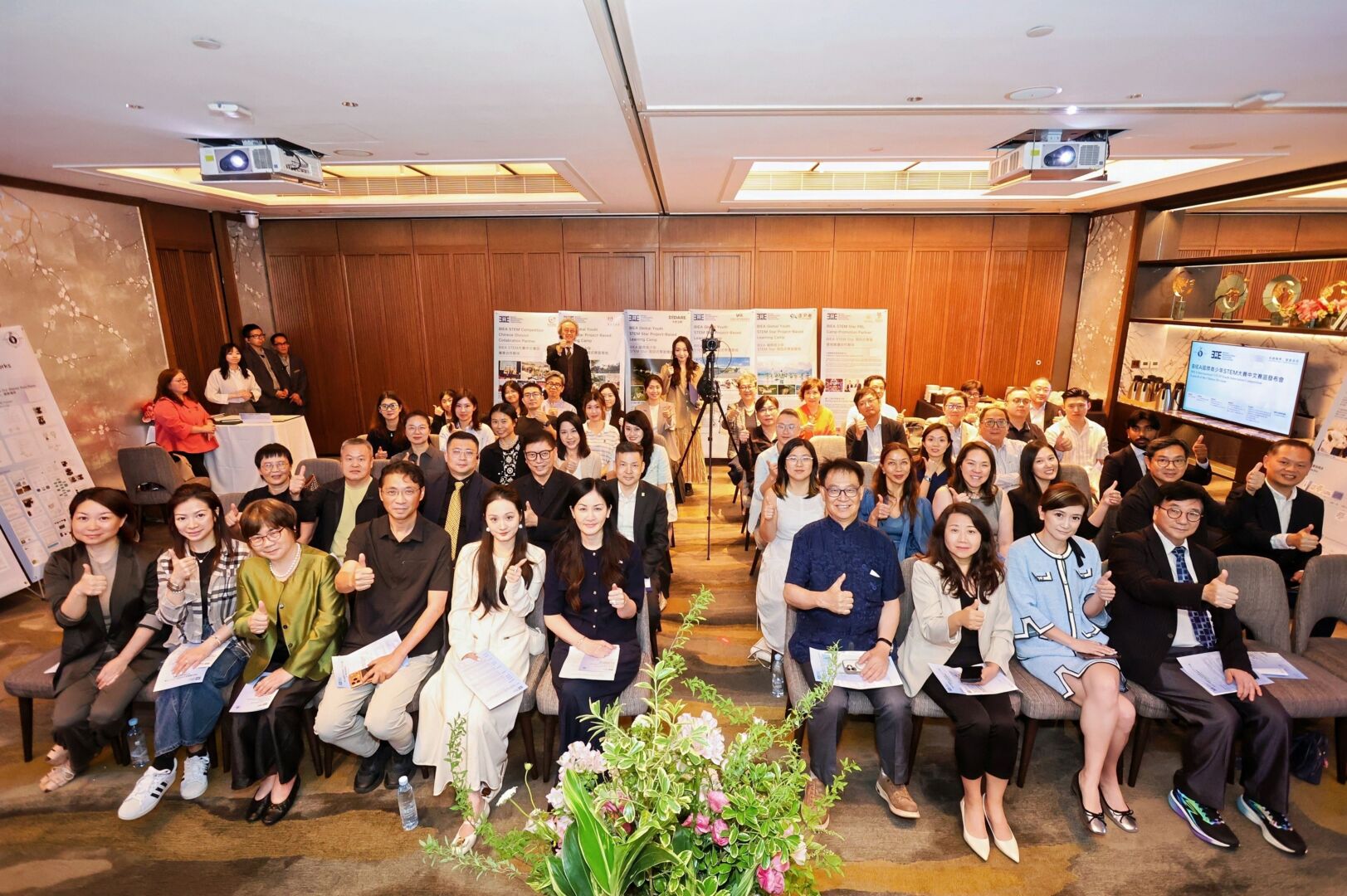
The British International Education Association (BIEA) has officially launched the BIEA International Youth STEM Innovation Competition – Chinese Division in Hong Kong, marking a major milestone in BIEA’s commitment to building a more inclusive, multilingual, and globally connected STEM education platform.
The Chinese Division is the first of BIEA’s international language STEM competition initiatives and will run in parallel with the main BIEA International STEM Competition. The competition welcomes submissions from students around the world who wish to present their projects in Chinese, with the aim of removing language barriers and enabling more young innovators to confidently express their scientific ideas, creativity, and solutions on an international stage. The initiative reflects BIEA’s belief that linguistic barriers should never limit scientific talent or innovation.
Chinese is the world’s most spoken first language, with more than 1.3 billion native speakers and millions more learning Chinese globally. BIEA believes that by embracing multilingual participation, the international STEM community can benefit from broader cultural perspectives, greater diversity of ideas, and more inclusive innovation.
The launch event brought together more than fifty distinguished guests, educators, academic leaders, industry representatives, charity organisations, international schools, and strategic partners from Hong Kong, Mainland China, and the United Kingdom.
Distinguished Guests and Representatives
Key guests attending the launch included:
- Ms Sophia Ip — Deputy Director for Trade, Education and Healthcare, British Consulate-General Hong Kong
- Ms Anna Lee — Head of Education and Culture, British Council Hong Kong
- Professor Ho Kin Chung — Founder of the Polar Research Institute of Hong Kong, President of the Hong Kong Science and Technology Advancement Association, and Academic Director of the Chinese Division
- Ms Hu Liling — Vice President of the Hong Kong Science and Technology Advancement Association
- Ms Chai Yin — Chief Representative of BIEA China
- Ms Rebecca Luo — China Division Director at BIEA
- Researcher Shao Jia — Academic Committee Member of the National Educational Technology Association
- Dr Li Dehao — Executive Dean of the Guangdong Digital Industry Research Institute
Representatives from professional committees of the China Educational Technology Association, international schools, private school parent associations, businesses, financial institutions, charities, and youth organisations also attended the launch ceremony.
The event was hosted by Ms Tina Wu, Executive Director of Hong Kong Xiangliang Technology Ltd.
Removing Language Barriers in STEM Innovation
In her opening remarks, Tina Wu highlighted that in the age of artificial intelligence, education must focus on nurturing originality, creativity, and the ability to ask meaningful questions.
She explained that the Chinese Division reflects BIEA’s commitment to building a “foundation for future human creativity,” ensuring that every young person can participate in global innovation regardless of language background.
Professor Ho Kin Chung emphasised the long-term value of interdisciplinary STEM education and explained that STEM learning equips young people with systematic thinking skills needed to address future global challenges.
He stated that Hong Kong, as a bridge between Eastern and Western cultures, is the ideal location to launch the Chinese Division and provide Chinese-speaking students with low-barrier, high-level access to international STEM collaboration.
BIEA’s Vision for Global Inclusion
Speaking on behalf of BIEA, Ms Rebecca Luo, Head of China Affairs at BIEA, described the creation of the Chinese Division as a major step towards educational equality and diversity.
She stated:
“The diversity of innovation is rooted in cultural diversity. The Chinese Division will become an important international platform for young Chinese-speaking innovators to share their ideas with the world.”
In the original BIEA announcement, Dr Alex Holmes, Head of STEM at BIEA, also highlighted the importance of inclusivity within global STEM education:
“We believe that linguistic barriers should never hinder scientific talent. By embracing Chinese, we are tapping into a vast well of creativity and perspective that will enrich the entire global STEM community. This is about ensuring no young innovator is left behind.”
Dr Edric Ho, Founder of Xiangliang Edu Tech, added:
“The BIEA Chinese STEM Competition is an innovative model designed to creatively serve young people in science and technology innovation.”
Building an International STEM Ecosystem
Partners from education, business, and industry expressed strong support for the initiative and its long-term vision.
Researcher Shao Jia from the China Educational Technology Association stated that its professional committees would actively support the competition and provide platforms for students to develop scientific thinking and social responsibility.
Mr Tang Longtian, President of the Zhejiang Hong Kong Chamber of Commerce, described the Chinese Division as an important initiative for nurturing future global talent and pledged support in helping young innovators move from “competition to market.”
Mr Luo Wei, Managing Director of Zhejiang Vision International Travel Agency, announced that the organisation would support international exchange opportunities for participating students and delegations.
Mr Wang Shigang, Chairman of the Camp Education Development Centre (CCEA), explained that the organisation would utilise its national camp network to transform the competition’s innovation spirit into accessible STEM camp experiences across China.
Competition Structure and Opportunities
Ms Shen Xinnan, Secretary-General of the Chinese Division Organising Committee, officially introduced the competition framework.
The competition is open to young people aged 6–17 worldwide who use Chinese as a language for learning and innovation. Students will first complete the BIEA STEM Star certification before entering the competition in teams of 3–5 members.
Following the annual theme announcement in July 2026, teams will progress through project submissions, online judging, and interviews before finalists compete in Hong Kong during the winter of 2027.
Outstanding teams from the Chinese Division will qualify directly for the BIEA Global Finals in London. First Prize teams will automatically receive the “Best Chinese Project Award,” while participants will also gain opportunities to observe and engage with the international global finals.
Inspiring Young Innovators
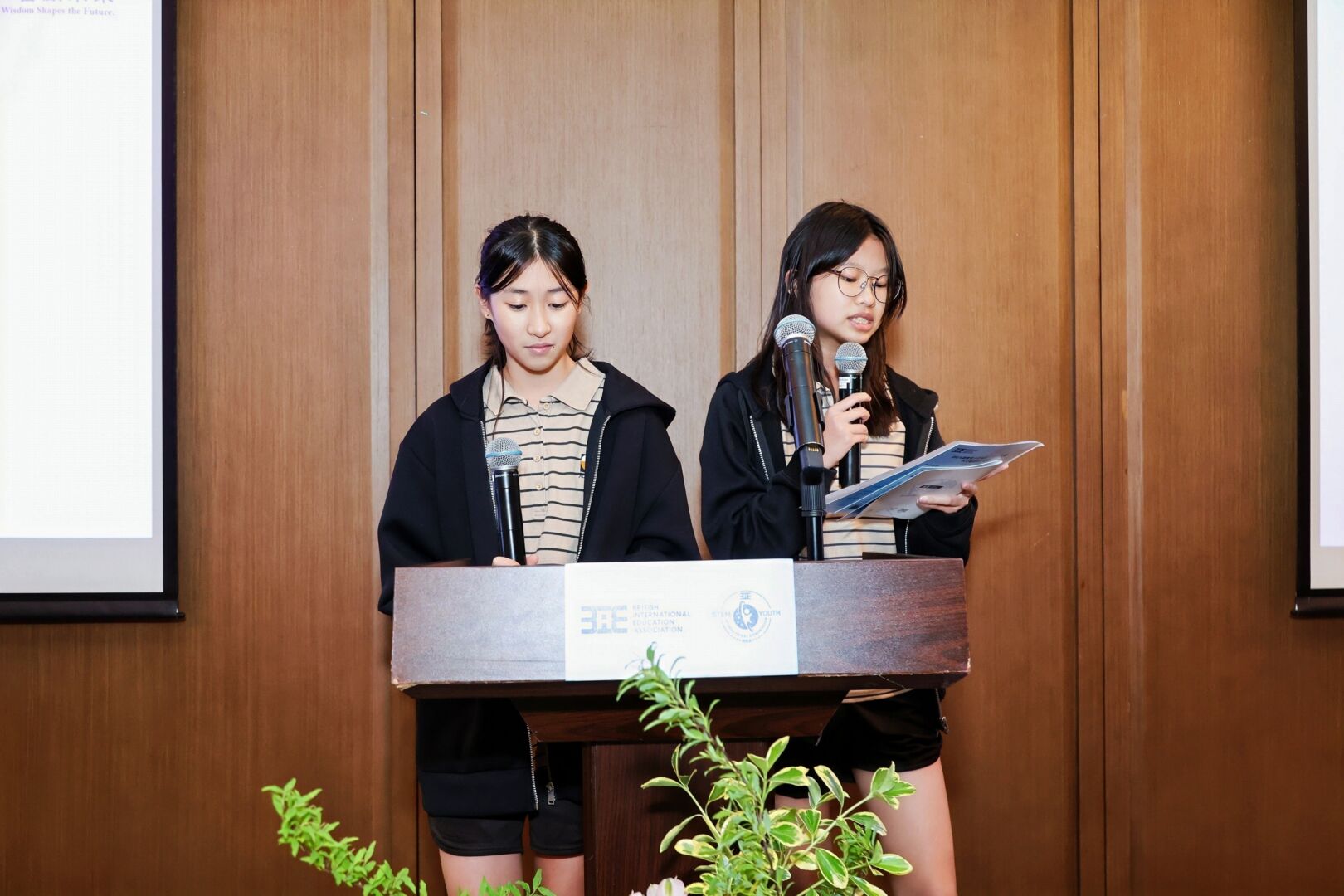
The event also featured inspiring presentations from previous BIEA winners.
Caia and Annabelle, members of the 2024 championship team, shared how they combined origami art and technology to create sustainable fashion designs, describing the competition as a platform that nurtures both STEM and human creativity.
Isabella Ko, winner of the 2023 Rising Star Award, introduced her team’s environmentally friendly “GreenPack” packaging solution, which later received a Hong Kong short-term patent.
Eunice Kwok Muk Yan, winner of the 2020 Best Design Award, reflected on how the competition has created a lasting alumni community that continues to inspire young innovators years later.
The enthusiasm of students, teachers, and parents echoes feedback highlighted in BIEA’s original international announcement. A teacher from Singapore commented that students should not be limited by a second language when expressing complex ideas, while students and parents described the Chinese Division as an opportunity to let “science speak for itself.”
Looking Towards a Multilingual Future
The launch concluded with an official declaration by Dr Ho Xiangliang, Chairman of the Chinese Division Organising Committee.
He encouraged Chinese-speaking young people around the world to use creativity and innovation to respond to global challenges and to bring their ideas from Hong Kong to the world stage.
The Chinese Division represents the first major step in BIEA’s multilingual expansion strategy. As BIEA continues to strengthen international partnerships, the organisation hopes to introduce additional language divisions in the future, including Arabic and Spanish, creating a truly borderless and globally inclusive STEM innovation platform.
Official Launch Event
Chinese Competition Website
BIEA Chinese STEM Competition Website